All Stimulus Spending is Local
Local government spending decisions made now will affect quality of life, sustainability, and prosperity far into the future. In Virginia, particularly near Charlottesville where I live, the prevailing belief is that the private sector is laying people off and cutting back services and therefore the appropriate government response is to do the same: to tighten belts and institute fiscal discipline. This is disastrous. During a time of peak demand for services, jobs, and economic stability, and peak supply of labor, materials, financing, and federal and state support, local governments should be stepping up services to soften the inevitable problems that increasing unemployment bring, while laying down the infrastructure to increase the area’s competitiveness, and therefore land value, and therefore tax base.
But high taxes harm productivity!
Yes, taxes on productive activity like buildings, labor, and sales absolutely do harm productivity (called deadweight loss). But during times of economic distress, there is much greater investor demand for high quality bonds. At the same time, local spending can leverage even greater state and federal investment in infrastructure and services. Increased local spending during a recession creates and retains jobs, protects and improves quality of life, and gives a lifeline to investors.
But government investment is wasteful!
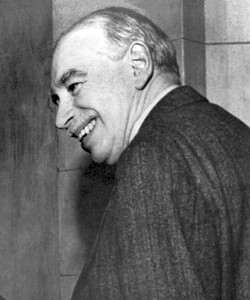
Keynes argued that this was fine, that spending on clearly unnecessary or downright destructive projects would be a net plus for the economy by providing jobs and investment income when they are most needed, kick-starting recovery. However, government waste is by no means necessary. Using planning techniques already well understood in many places, local leaders can prioritize projects that are more likely to provide a return on investment that can more than cover the debt obligations used to create them.
But high taxes hurt property values!
This is true, but quality services and infrastructure raise property values, and the net effect of taxes + services and infrastructure appears to be a big positive in most places. And clever financial options like Tax Increment Financing and more traditional bonds can smooth out the tax burden to be minimally uncomfortable.
But high taxes are unfair!
Most local taxes fall mostly on property, both land and buildings. Land taxes fall more heavily on those who own a great deal of land. This group tends to be more affluent, but some owners are certainly better able to deal with a larger tax burden than others. Land taxes make up only a small percentage of the property tax in the vast majority of American cities, so this effect is very small. Building taxes, which usually make up about 75% of the overall property tax burden, fall most heavily on low income households because they are passed on to renters and are built into the cost of all economic activity in an area, raising the local price of everything and slowing productivity. This is certainly a huge problem, but it can be avoided and spread out using debt financing. Starving local government is a lose-lose proposition, since it marries lower property values with fewer investment and job opportunities. More lasting and effective management of the damaging effects of the building tax require a transition to other public finance methods such as a land tax and green taxes. I suspect that Build Districts may be the best option for the transition to land taxes and something similar may be best to shift to other green taxes like the carbon tax.
Economic and environmental recovery require vision and bold steps. Doing the obvious easy thing: cutting back and hoping to be saved from our own mistakes is a recipe for failure.
